Understanding Honey Oil: A Deep Dive into Cannabis Concentrates
If you have spent any time around cannabis concentrates, you have likely heard the term "honey oil" tossed around. It is one of those names that sounds more like a kitchen ingredient than a potent extract, but for those in the know, it represents a specific category of cannabis concentrate prized for its consistency and effects. I have handled my fair share of these products over the years, from sticky dark residues to pale yellow crystalline smears, and honey oil sits in a sweet spot that many users appreciate. Let me walk you through what it actually is, how it is made, and what to look for when you come across it on a menu.
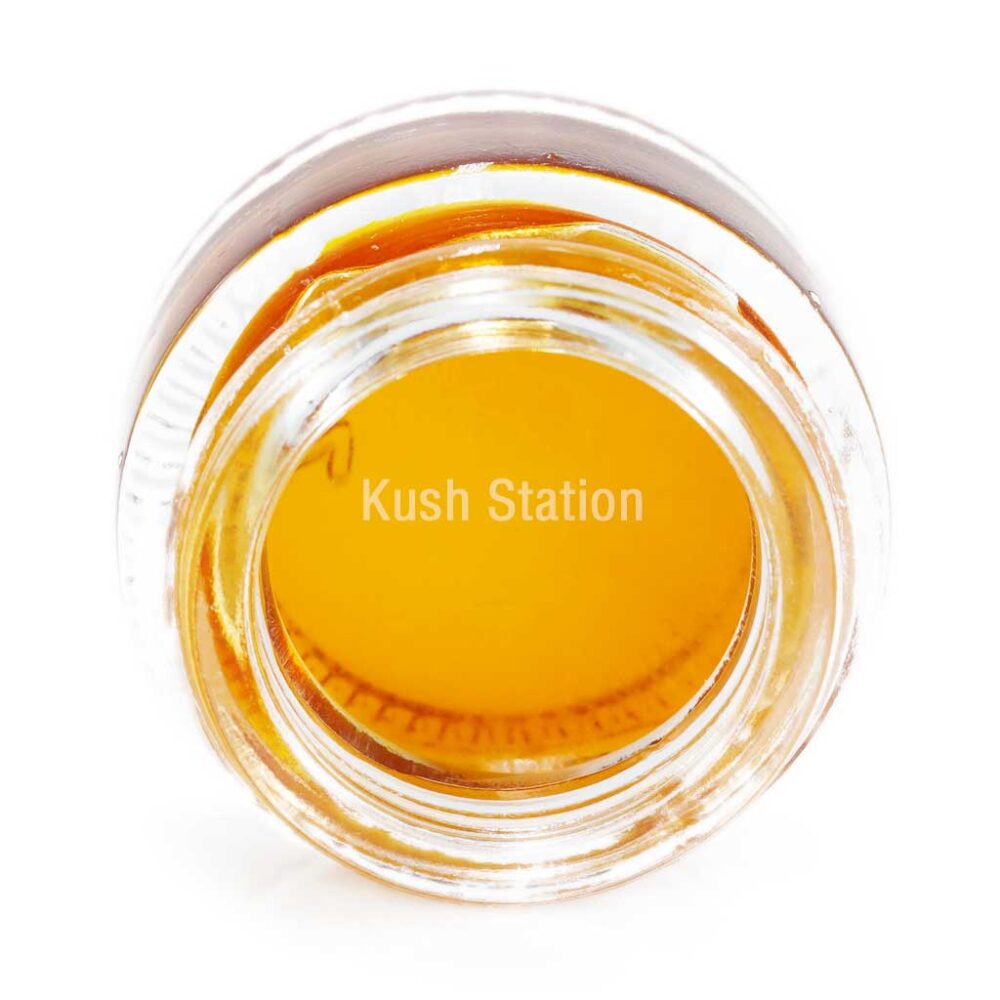
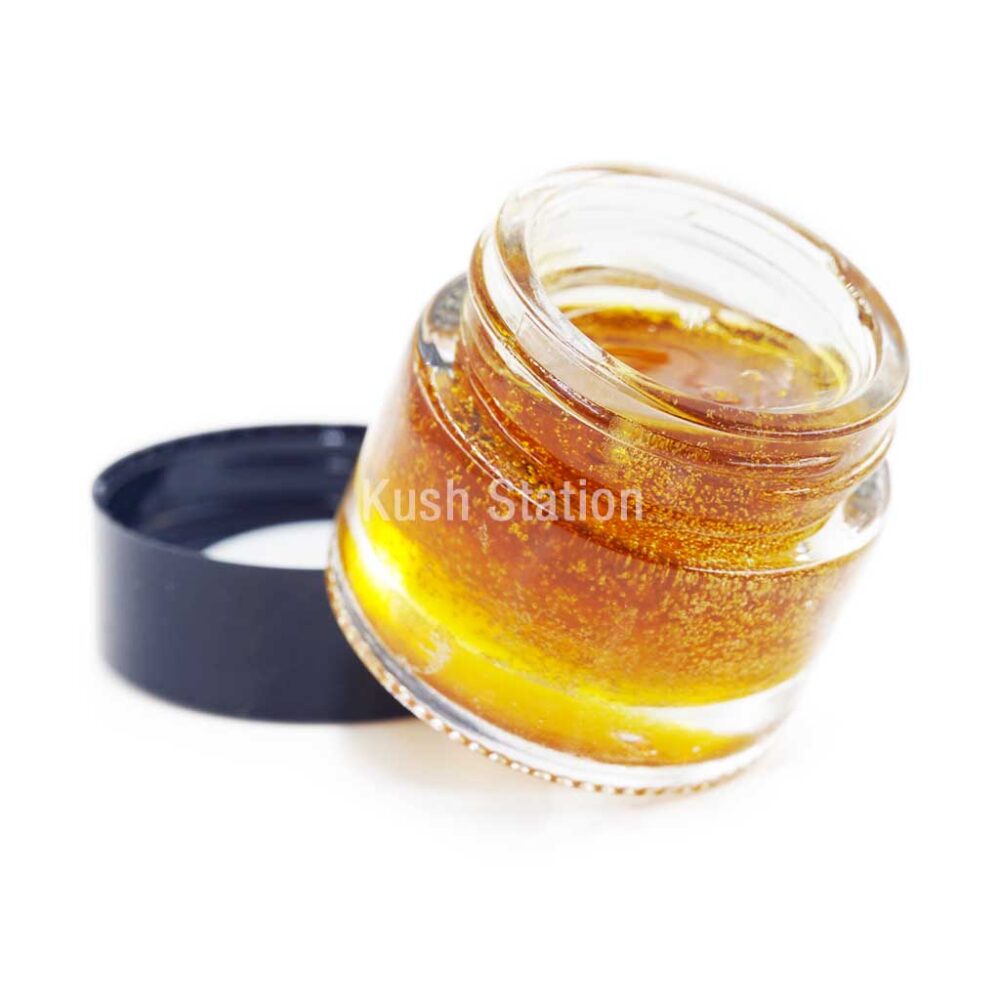
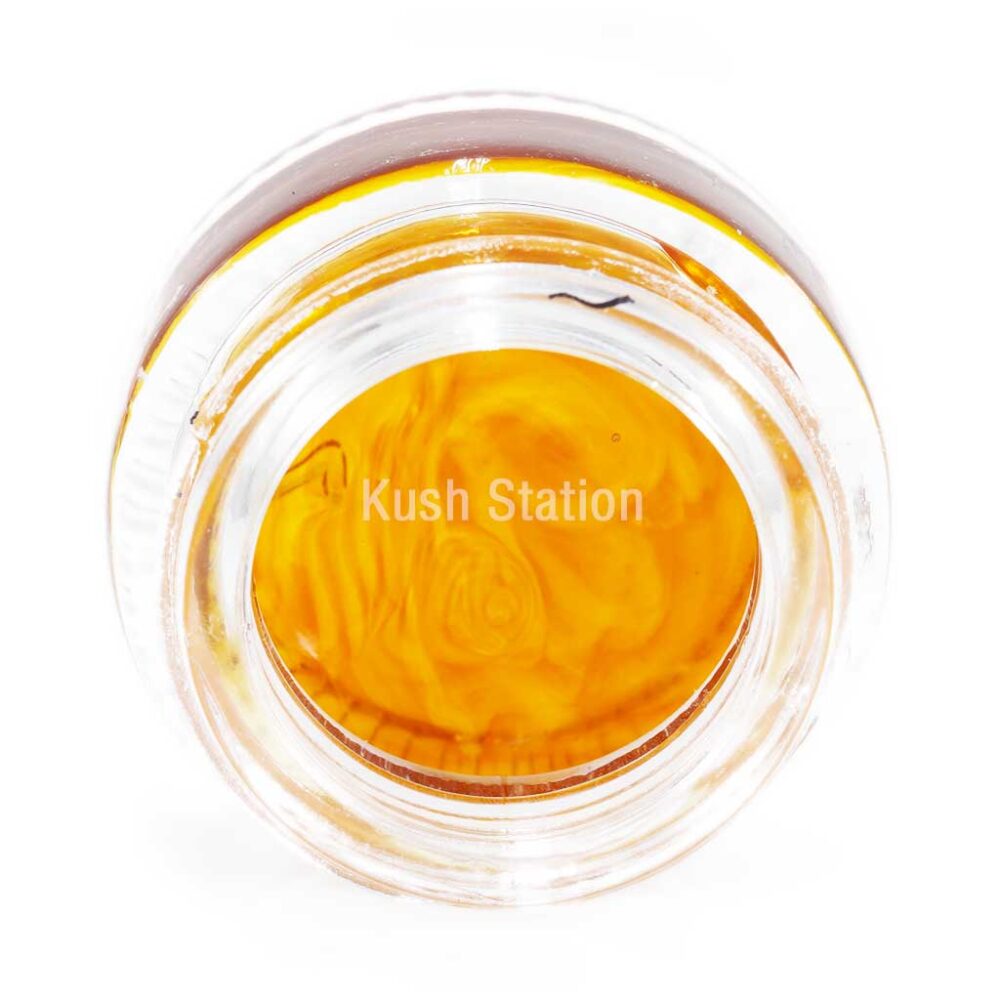
At its core, honey oil is a type of cannabis concentrate that typically comes in a translucent amber or golden syrup-like form. It gets its name from that visual similarity to honey, though the texture can range from a thick liquid to a waxy paste depending on how it was processed and stored. The consistency matters because it influences how you use it. Some people prefer a runnier oil that soaks into a joint or bowl, while others want something tacky enough to load onto a dab tool without dripping everywhere. I have seen new users struggle with a thin honey oil that runs off the tool before they can even get it to the banger. That is where experience comes in.
How Honey Oil Is Made
The production of honey oil generally involves solventless extraction or the use of a light solvent like ethanol to strip the trichomes from the plant material. The idea is to capture the cannabinoid profile and cannabis terpenes without introducing harsh chemicals that might degrade the final product. Solventless extraction methods, such as ice water hash pressed into rosin, can yield a product close to honey oil, but true honey oil often comes from a gentle ethanol wash that is then evaporated off, leaving behind a full spectrum extract. Full spectrum means it retains a wider range of cannabinoids and terpenes than something like a distillate or isolate. That matters for the Entourage Effect, where the various compounds work together to produce a more rounded experience than any single cannabinoid could on its own.
One common source of confusion is the difference between honey oil and CO2 oil. CO2 oil is made using supercritical carbon dioxide as a solvent, which is effective at pulling out a broad range of compounds, including the desired cannabinoids and terpenes. The result can look and behave very similarly to honey oil, and some producers use the terms interchangeably. But honey oil as a category tends to be less refined than, say, a distillate or isolate. It is more of a whole-plant essence, which means it carries more of the plant's natural flavor and aroma along with the THC potency. For someone who values taste and the subtleties of different strains, that is a big plus.
Potency and Cannabinoid Profile
When we talk about honey oil, THC potency is usually a central topic. Most honey oils land somewhere in the 50 to 80 percent delta-9 tetrahydrocannabinol range, though that can vary based on starting material and extraction efficiency. That is potent enough for experienced users but leaves some room for other cannabinoids like THCA, which is the acidic precursor to THC that converts when heated. THCA itself is non-psychoactive until decarboxylated, but in a full spectrum extract, it adds another layer to the experience. The presence of THCA and other minor cannabinoids can influence how the effects hit you. I have had honey oils that felt almost sedating due to higher levels of CBN, while others were sharply uplifting because of a dominant limonene terpene profile.
Lab testing becomes crucial here. Without a certificate of analysis, you are essentially guessing at what is in your concentrate. A reputable producer will provide a breakdown of the cannabinoid profile, including delta-9 tetrahydrocannabinol percentage, THCA content, and a terpene profile. They will also test for residual solvents, pesticides, and heavy metals. I always look for a Batch ID on the packaging so I can cross-reference the test results for that specific run. It is a level of transparency that separates serious operations from kitchen-table extractors. If you see a product labeled as honey oil without any lab testing, ask questions. Reputable sellers will have that information available.
How to Use Honey Oil
There are several ways to enjoy honey oil, and the method you choose will affect both the flavor and the intensity. Here are the most common approaches:
- Dabbing: Using a dab rig with a quartz banger is the classic method. Heat the banger with a torch until it is hot, let it cool for 30 to 60 seconds, then apply a small amount of honey oil. The cold start method, where you place the concentrate in the banger before heating, works well for thicker oils and preserves more terpenes.
- Vaporizer pen: Some vaporizer pens have coils or atomizers designed for concentrates. These are portable and discreet, but the temperature control can be less precise. You want to avoid burning the oil, which destroys flavor and can produce harsh vapor.
- Adding to flower: A dab of honey oil on top of a bowl or rolled into a joint is a classic way to boost potency without needing extra gear. It works best if the oil is not too runny.
Each method has trade-offs. Dabbing gives you the purest flavor and most controlled dose, but it requires more equipment and a bit of practice. Vaporizer pens are convenient but can be finicky to clean. Adding to flower is simple but can waste some of the oil as it burns unevenly. I personally prefer a cold start with a quartz banger for honey oil because it lets me taste the full spectrum of terpenes without scorching them.
Notable Variants and Misconceptions
You may also hear names like Rick Simpson oil or Phoenix Tears in the same conversation as honey oil. Rick Simpson oil is a specific high-THC cannabis oil named after the patient who popularized it for medical use. Phoenix Tears is a brand name for a similar product. Both are forms of honey oil in the sense that they are full spectrum extracts, but they are often made with specific strain selections and extraction parameters. Honeycomb is another term you might encounter, usually referring to a more solid, waxy texture that resembles honeycomb structure. It is not the same as honey oil, but it comes from the same family of concentrates.
A common misconception is that honey oil is the same as distillate or that it is always made with solvents. In reality, many quality honey oils use solventless extraction, meaning no chemical solvents touch the plant material. Ice water and heat are the only tools. That gives a cleaner product that appeals to purists. On the other hand, some producers use ethanol or CO2 as a solvent and then evaporate it completely, which can still produce a high-quality extract if done properly. The key is lab testing to confirm no residual solvents remain.
Storage and Shelf Life
Honey oil is sensitive to heat, light, and air. Store it in a cool, dark place in an airtight container. I keep mine in a small glass jar inside a drawer. Over time, the terpenes can degrade, and the oil may darken or crystallize. If you see crystals forming, that is often THCA precipitating out, which is normal and does not mean the product is bad. You can gently warm the jar to redissolve it. Avoid storing honey oil in plastic, as the terpenes can leach compounds from the plastic over time.
The shelf life of honey oil is generally longer than that of flower but shorter than more stable concentrates like isolate. If stored properly, it can remain potent for six months to a year. After that, the flavor fades and the effects may dull. I try to buy what I will use within a few months to keep things fresh.
Final Thoughts
Honey oil occupies a unique position in the world of cannabis concentrates. It is not the most refined product on the shelf, but that is part of its appeal. It offers a fuller expression of the plant, with all the complexity of the original strain intact. Whether you are a seasoned dabber or just curious about concentrates, it is worth exploring. Just remember to check for lab testing, store it properly, and start with a small dose until you understand its potency. The first time you taste a well-made honey oil that captures the essence of a favorite strain, you will understand why it has earned a loyal following.